
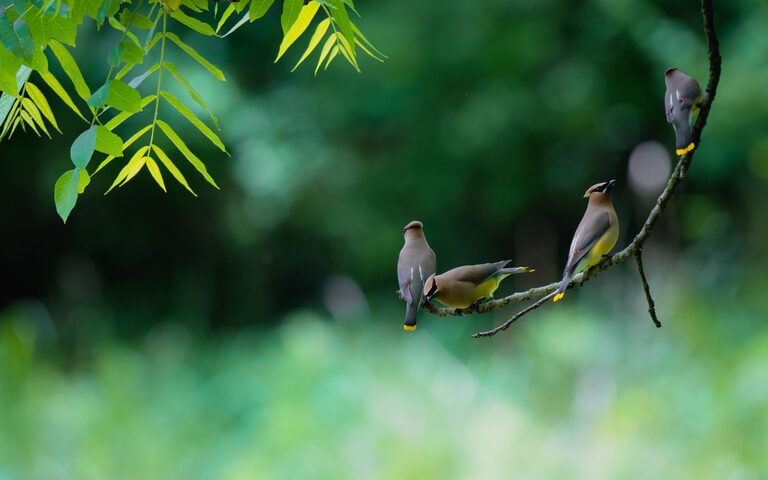

Birdwatching is a relaxing and rewarding hobby that allows you to connect with nature from the comfort of your own backyard. Whether you have a large garden or a small balcony, observing birds can bring joy and a sense of wonder to your daily routine. If you’re new to birdwatching, this guide will provide you with simple tips to get started and make the most out of your birdwatching experience.
Why Backyard Birdwatching?
Birdwatching in your backyard is convenient and requires minimal equipment. It’s a great way to learn about local wildlife and can be a peaceful activity for individuals or families. Watching birds can also encourage a deeper appreciation for nature and help promote conservation.
Getting Ready: What You’ll Need
You don’t need much to begin birdwatching, but a few basic items can enhance your experience:
– Binoculars: A good pair of binoculars helps you see birds clearly without disturbing them.
– Field Guide or Bird Identification App: These resources help you identify different bird species.
– Notebook or Bird Journal: Recording your sightings can be fun and educational.
– Bird Feeder and Bird Food: Attract birds by providing a reliable food source.
– Water Source: A birdbath or shallow dish of water invites birds to drink and bathe.
Setting Up Your Backyard for Birdwatching
Choose the Right Location for Feeders
Place bird feeders where you can easily watch them, such as near a window or on a porch. Keep feeders away from areas with heavy foot traffic to avoid scaring the birds.
Provide Shelter and Nesting Spots
Birds feel safer when they have places to hide or nest. Plant shrubs, trees, or install nesting boxes to offer shelter. Native plants are particularly attractive to local bird species.
Keep It Clean and Safe
Clean feeders and birdbaths regularly to prevent disease. Avoid using pesticides or chemicals in your garden, as these can harm birds.
Attracting Birds: What to Feed and How to Provide Water
Birds have different dietary needs depending on the species. Here are some common food types and which birds they attract:
– Black-oil Sunflower Seeds: Popular with many species, including finches, chickadees, and cardinals.
– Nyjer Seed: Favored by finches, especially goldfinches.
– Suet Cakes: Great for woodpeckers, nuthatches, and wrens, especially in colder weather.
– Fruit: Orioles, tanagers, and some thrushes enjoy fresh fruit like oranges or berries.
– Water: A clean birdbath or shallow dish with fresh water will attract birds for drinking and bathing.
Tips for Observing Birds Successfully
Be Patient and Quiet
Birds can be shy and easily startled. Sit quietly and move slowly to avoid scaring them away.
Watch During Peak Activity Times
Early morning and late afternoon are often the best times to see birds when they are most active.
Take Notes and Photos
Keep track of the different species you see and note any interesting behaviors. Taking photos can help with identification and further your enjoyment.
Common Backyard Birds to Look For
Depending on your region, you may spot a variety of birds such as:
– Robins
– Blue Jays
– Cardinals
– Chickadees
– Sparrows
– Woodpeckers
– Finches
– Mourning Doves
Learning to recognize these birds by their size, color, song, and behavior makes birdwatching more engaging.
Joining the Birdwatching Community
Consider joining local birdwatching groups or online forums. They can provide valuable tips, help with identification, and offer opportunities to participate in citizen science projects like bird counts.
Final Thoughts
Backyard birdwatching is an easy hobby that anyone can enjoy. By creating a welcoming environment for birds and spending time observing their behavior, you’ll discover a fascinating world just outside your door. Start small, be patient, and enjoy the beauty of birds in your own backyard. Happy birdwatching!